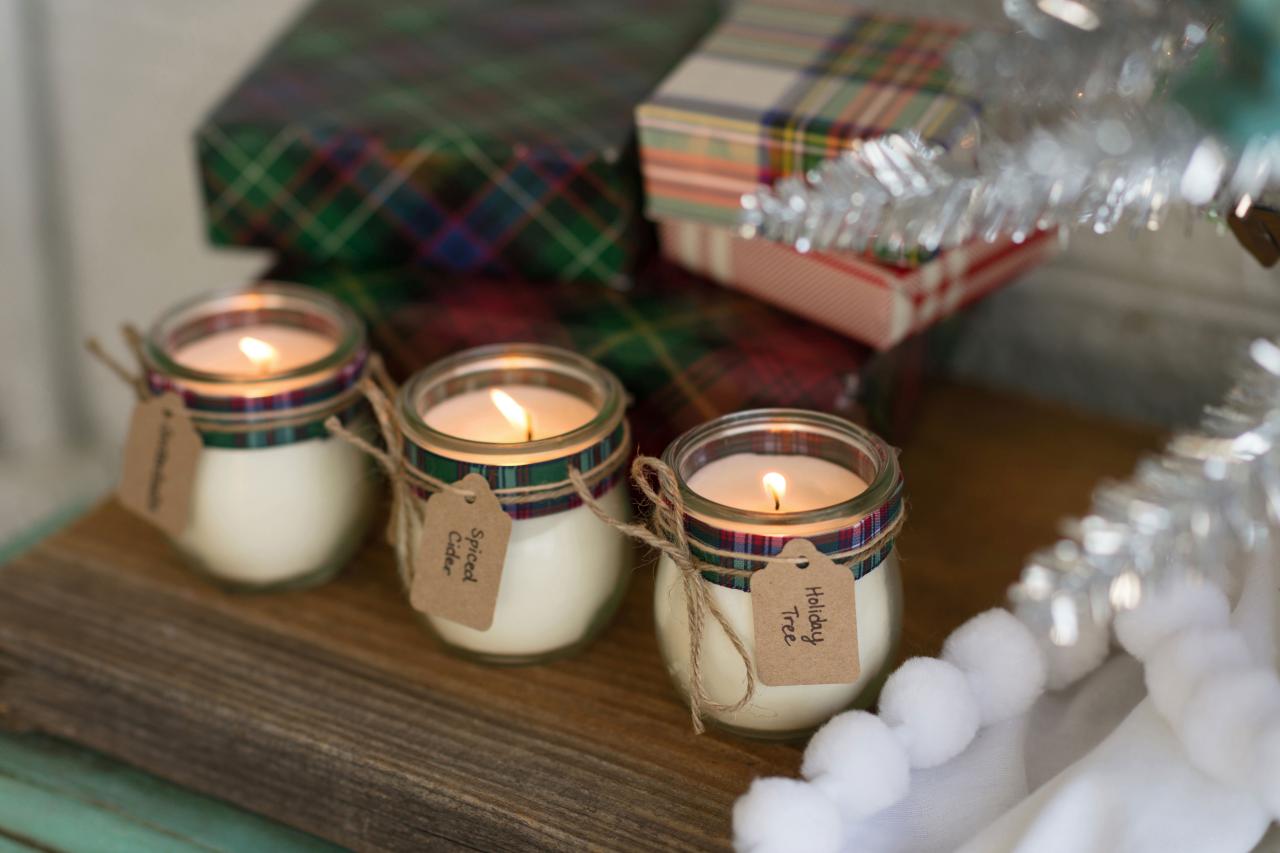
It is an art to create natural scented candles using essential oils. Your choices of scents differ, so you can get creative and create your personal blends. It is crucial to use essential oil blends after proper research, especially when you have a medical condition or you are pregnant.
At Aussie Candle Supply, you can buy pure quality and lab-tested essential oils. The oils and fragrances are natural and vegan. Create candle scents with coconut lime oil or caramel vanilla oil or black raspberry oil or sandalwood oil. You can even buy candle making supplies like palm, paraffin, bees, and soy wax along with dyes, and candle glassware.
Essential oils versus fragrance oils
Essential oils are derived from the environment, while fragrance oils are synthetic. Essential oils are safe as they are an organic and healthier scenting option. However, each essential oil has distinct characteristics, so you need to understand them before blending them.
Characteristics of every essential oil
Top notes
The scents work and evaporate fast. Top notes don’t last long. They are lighter, cleaner, fresher, and less expensive. Some essential oils belonging to the top note family are –
- Cinnamon
- Basil
- Lemongrass
- Grapefruit
- Neroli
- Niaouli
- Lemon
- Lime
- Mandarin
- Peppermint
- Tea tree
- Orange
Middle notes
These are soft, warm and create a balancing scenting effect. You will not recognize the smell at first in a blend but as soon as the top notes evaporate the middle note adds essence to the scent. Some essential oils belonging to the middle note clan are –
- Chamomile
- Black pepper
- Juniperberry
- Rosemary
- Lavender
- Geranium
- Melissa
- Clary sage
Base notes
Base notes evaporate slowly and last long. They even slow the dissipation of the mid and top notes. They are solid, rich, heavy, and add depth to your scenting blend. They are even termed foundation notes because blending essential oils, starts with a base note. Base notes hold intense fragrances but are relaxing in nature. They are a little expensive, but you need fewer drops of base notes for blending. Some essential oils belonging to the base note category are –
- Clove
- Cedarwood
- Cinnamon
- Jasmine
- Neroli
- Rose
- Sandalwood
- Clove
- Vanilla
- Patchouli
- Myrrh
Tips to create essential oil blends for candle making
- Start blending with a mood, emotion, texture, shape, and feel. Enjoy while creating a blend!
- It is easy to forget what essential oils you added while creating blends. So, ensure to write down the name as well as the drops you added. It helps when you to work the measurement as soon as you obtain a perfected blend and move on to create bulk batches.
- Add drop by drop rather than adding more. Be patient when you blend!
- Some essential oils are strong, so you will need too little. Stay aware of the oil’s strength before using it.
- Leave your scent blends for some time before smelling because the characteristics can change. Note your first impression and after 2 to 3 minutes smell again and take a note.
- Reset your olfactory to neutralize your smell sensory organ.
- Never use plastic containers to mix the essential oil blends as it retains the fragrances. Use small ceramic or oil containers that are properly cleaned and dried.
- Store essential oil blends in a dry cool place within amber or blue colored glass bottles.
You will need 2 to 10 grams of essential oil for making a 200 g candle!
 Buisnessideas